A Post That Gets No Clicks Might As Well Not Exist: The Art of Xiaohongshu Thumbnails and Titles
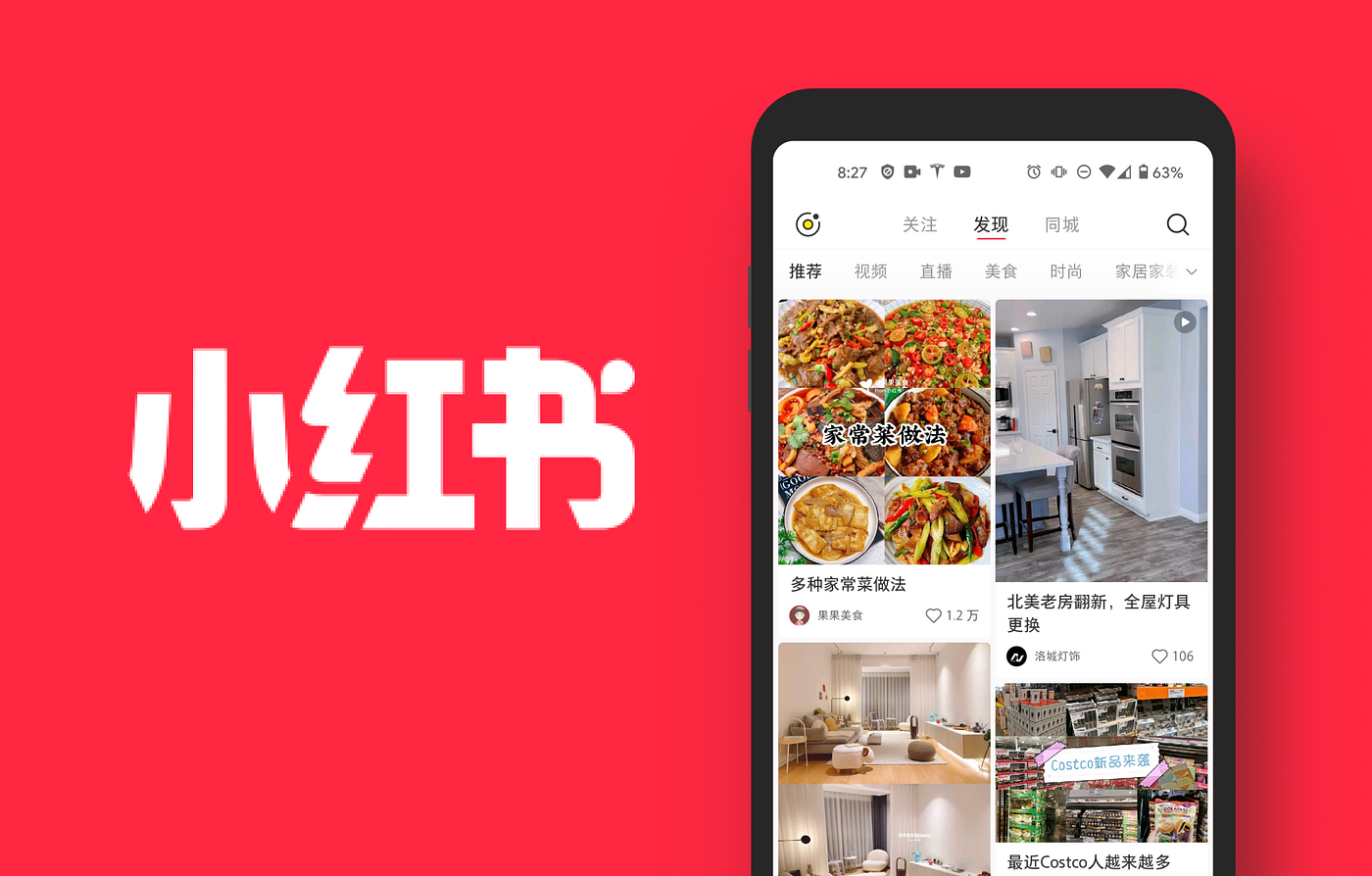
When a post goes live on Xiaohongshu, the first thing a user sees is not the body text.
It's just two elements: the thumbnail (cover image) and the title.
In that instant, users decide whether to open it or keep scrolling. There's no time to think. Either the scrolling finger stops — or it doesn't.
No matter how carefully written your body text is, no matter how high-quality your product, if you can't get past this first gate, nothing reaches anyone. This article covers how to design thumbnails and titles that actually get clicked on Xiaohongshu.
The Thumbnail Is Your Product Packaging on a Shelf
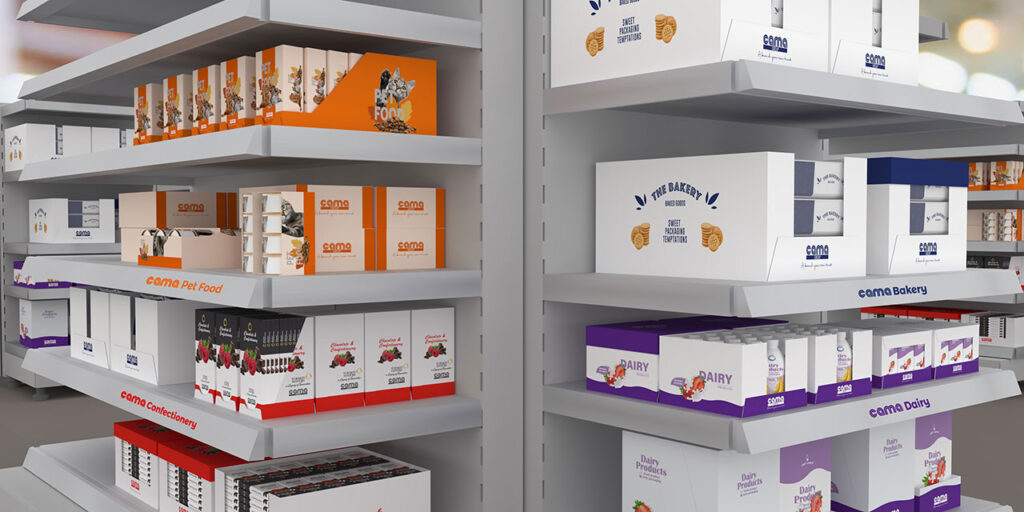
Scrolling through Xiaohongshu's Discovery Feed is similar to walking past a long row of retail shelves. Hundreds of products are on display, and the packaging that makes you reach out and pick it up wins. Your thumbnail is exactly that packaging.
A few fundamentals to know first.
The recommended aspect ratio is vertical 3:4. Xiaohongshu's Discovery Feed uses a two-column tile layout, and taller images occupy more screen real estate. A vertical image simply takes up more visual space than a square or horizontal one — which means more eyeballs, before any other factor comes into play.
What NOT to Do With Your Thumbnail
Since 2025, Xiaohongshu users have become increasingly visually discerning. Thumbnail styles that once worked can now backfire.
① Low-quality or cluttered background photos
A casually shot phone photo used directly as a thumbnail — out of focus background, messy environment — signals to users that this account lacks care. Thumbnail image quality is directly tied to how much users trust the brand.
② Too much text crammed in
Trying to communicate too much by packing the thumbnail with small text. The problem: once the image is rendered as a small tile on a phone screen, fine text becomes completely illegible. Text on a thumbnail should be large, simple, and limited to one or two lines.
③ Inconsistent visual style across the account
One thumbnail might look great in isolation, but if the whole account looks like a visual free-for-all — different fonts every time, no consistent color palette, no unified layout — users who visit the profile page won't feel compelled to follow. Thumbnails should be designed as a series, not as individual pieces.

Why You Should Put Text on Your Thumbnail
On Xiaohongshu, it's common practice to overlay text directly onto the thumbnail image.
The reason is simple: it lets users understand the content in an instant.
Imagine a post about testing a Japanese skincare product. A thumbnail showing a beautiful photo of the product alone, versus a thumbnail with "Japanese Skincare: An Honest Review" printed in large text over the image — the second version will have a higher click-through rate. Users are reading the text to answer one question: "Is this relevant to me?"
Three principles for thumbnail text:
Large, legible font (make it the most prominent visual element on the image)
Capture the core message in a single phrase (should connect with the post title)
Consistent color and design that matches the brand tone (the same every time)
Titles: A 20-Character Battle
Xiaohongshu titles have a maximum character count of 20. But in the Discovery Feed, titles wrap after 18 characters. In practical terms, you have 18 characters to capture a user's interest.
Within this tiny space, "making people want to open it" is less about intuitive flair and more about knowing which structures reliably work.
Four Title Formulas That Drive Clicks
Formula 1: The Number
Numbers stand out visually, and they signal to users exactly what they'll get from reading.
"3 Days In. Here's What Happened When I Changed My Skincare Order.""5 Things You Must Buy on a Trip to Japan""160kg → 90kg: Everything I Did in 4 Months"
Numbers make the content feel concrete. They build trust and lower the psychological barrier to clicking.
Formula 2: Question or Relatability
Write a question that makes the target user think "Wait, this is about me."
"Why Is Japanese Skincare So Popular in China?""Dry-skin people — have you tried this?""If your foundation keeps sliding off oily skin, the problem might be here"
The moment something feels personal, the finger stops.
Formula 3: Before and After
Lead with change, contrast, or reversal. People are drawn to transformation.
"I had dull, uneven skin — two weeks later, this happened""I bought it thinking it was cheap — it turned out to be better than the expensive version"
The bigger the contrast, the stronger the curiosity pull.
Formula 4: Problem-Solver Declaration
Announce upfront that the post solves a specific problem.
"For people troubled by visible pores — 3 methods that actually worked for me""Bad at organization? My full closet overhaul, documented step by step"
This structure performs especially well in search traffic, since users who are actively searching for a solution will see exactly what they need in the title. Save rates also tend to be high.
The "Trigger Word" Technique
Among content professionals, there's a technique known as "引爆詞" (trigger words): strategically placing one or two words in the title that cause users to stop reflexively — before conscious thought kicks in.
Examples:
"I'll be honest" / "My real take" → conveys authenticity and candor
"I never knew" / "I've been doing this wrong" → creates self-relevance
"Limited to this account" / "Today only" → scarcity
"What Japanese people don't know" / "Only Chinese people know this" → information gap curiosity
That said, there must be no gap between the title and the actual content. Exaggerated claims, fabricated experiences, or misleading hooks will be flagged in Xiaohongshu's content review. The balance between "compelling" and "honest" is what makes or breaks a post.
Xiaohongshu's Built-In A/B Testing for Thumbnails
Xiaohongshu actually allows creators to upload up to four thumbnail options for an A/B test.
The system randomly shows different thumbnails to users, and after 10 hours, it automatically selects the version with the highest click-through rate as the final thumbnail.
Which thumbnail actually performs best is something data can tell you better than instinct. Once you've developed basic competency, using this feature to continuously refine your thumbnails is one of the most reliable ways to build stable, long-term traffic.
Thumbnail and Title Should Be Designed Together
Thumbnails and post titles should not be designed separately — they are a unit.
The thumbnail carries a short catchphrase (roughly 3–8 characters). The title supplements it with more specific information. Together, they guide the user from "general impression" to "concrete detail" in a natural flow.
A mismatched pair — thumbnail says "How I Fixed My Acne" but title says "My Favorite Skincare Products Right Now" — creates cognitive dissonance and drives down click-through rates.
Observation Is the Real Skill — Not Innate Talent
Thumbnail and title instinct is not a talent you're born with. It's built through observation.
Most effective Xiaohongshu operators spend 30 minutes to an hour every day studying high-performing posts in their category: What does the thumbnail of a viral post look like? What words appear in its title? Which of the four formulas does it use?
Over time, this observation builds an internalized sense of "what tends to land" for their specific niche and audience.
Maintaining that habit consistently, however, is itself a significant investment of time and energy.