5 Things to Know Before Entering Xiaohongshu — The Pitfalls Most Foreign Businesses Hit First
"We created a Xiaohongshu account, but now we have no idea what to do."
This is one of the most common things we hear from foreign businesses considering entry into the Chinese market.
Through the previous articles in this series, you've likely developed a solid understanding of how the platform works, how its users behave, and how its algorithm distributes content. But when it's time to actually move — what do you do first? And where are the traps?
This article outlines five things every business should know before entering Xiaohongshu.
Point 1: "Personal Accounts" and "Business Accounts" Are Fundamentally Different
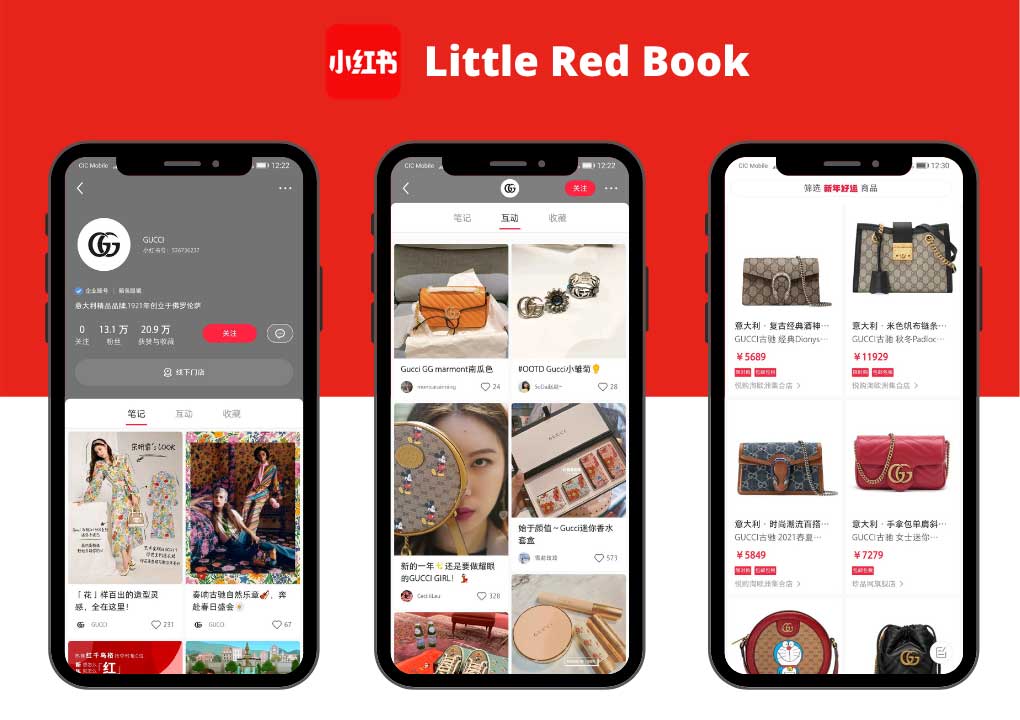
Xiaohongshu offers two main account types: personal accounts and certified business accounts.
For brands and businesses entering Xiaohongshu, a certified business account is generally recommended. Once certified, you gain access to business-specific features: the ability to open a linked store, tools for managing sponsored content (integration with the official "brand collaboration" system), and access to analytics dashboards.
However, applying for business certification requires documentation: a business license, legal representative identification, and brand authorization documents (for resellers, a complete authorization chain). If you have a Chinese legal entity, the process is relatively smooth. Foreign legal entities applying directly may be required to pay a deposit — for overseas brands, this is sometimes approximately USD 3,500.
Additionally, certain types of businesses are simply not permitted to open business accounts. Tobacco and e-cigarettes, certain medical and cosmetic procedures, financial services and cryptocurrencies — these categories are generally barred from business account participation on the platform.
Before anything else, confirm that your industry and products fall within categories eligible for entry.
Point 2: Don't Underestimate the Chinese Language Wall
Xiaohongshu's users are Chinese speakers. Posting in Chinese is simply the baseline requirement.
You might think: "We'll use a translation tool." It's not that simple.
Content that performs on Xiaohongshu relies on natural spoken language, expressions that feel emotionally resonant, and current slang and trending vocabulary. Translation tools produce grammatically correct Chinese — but to native users, it tends to read as stiff, dated, or somehow "foreign."
One example: a Japanese skincare brand took product descriptions from its official website, machine-translated them, and posted them directly to Xiaohongshu. The results were nearly zero engagement. A different post about the exact same product — written by a young local user sharing their personal experience — received thousands of likes.
The content wasn't the difference. The tone and emotional register were.
Xiaohongshu content requires the involvement of someone with native Chinese sensibility. This is not a translation problem. It is a question of knowing which words resonate with young Chinese consumers right now — and that kind of instinct cannot be automated.

Point 3: Expect at Least Three Months Before Seeing Results
Xiaohongshu has a preparation concept called "养号" (yǎng hào) — literally "nurturing the account."
When you register a new account and start posting immediately, the platform doesn't yet trust it. It doesn't know what kind of account this is, who the target audience is, whether the content quality is consistent. The platform takes time to assess all of this.
In general, it takes at least two to three months of consistent posting for a new account to establish stable traffic flow. During this period, numbers are slow to grow and results feel invisible. Many companies give up in this window — concluding "it's not working" before the account has had a chance to develop.
One practitioner put it this way: "养号三个月,爆发流量一年功" — "Nurture the account for three months, and the traffic benefit lasts a year."
Building with a long-term perspective, rather than chasing short-term numbers, is especially important on Xiaohongshu.
Point 4: The Consequences of Violations Are Stricter Than You'd Expect
Xiaohongshu's content moderation has become significantly stricter since 2024.
Key risk areas:
Failure to disclose advertising. Commercial posts — content created in exchange for compensation — must be clearly labeled as "advertising" or "sponsored." Failure to do so can result in the post being deleted and the account's trust score being reduced.
Exaggerated or false claims. Language like "my skin changed completely in 3 days" or "100% guaranteed results" may violate China's Advertising Law. This applies especially strictly to cosmetics, health foods, and anything touching medical or pharmaceutical claims.
Sudden account freezes. Xiaohongshu can freeze accounts without prior warning when violations are detected. Appeals are rarely successful, and restoring a frozen account is difficult. Since accounts are tied to phone numbers, re-registration also carries barriers.
The followers and content assets you've built up over months can disappear overnight. Staying in consistent compliance with platform rules is not just a legal matter — it's the foundation of long-term brand asset protection.

Point 5: Aim for Consistent Accumulation — Not a Single Viral Post
A common mistake foreign businesses make when entering Xiaohongshu is fixating on "creating a viral post."
Yes, one explosive post can generate enormous recognition quickly. But it tends to be a low-reproducibility accident, and over-reliance on that kind of windfall is not a sustainable strategy.
The brands consistently producing results on Xiaohongshu pursue viral content as a goal while treating consistent accumulation as the prerequisite. Posting two to three times per week, tracking CES metrics after each post, learning what resonated and what didn't — and cycling that learning into the next batch of content. Repeating this process over three to six months reveals the patterns that work specifically for your category and target audience.
The right strategy also shifts depending on where you are in your brand's lifecycle:
Phase 0→1: Focus on a single flagship product. Build recognition for it intensively.
Phase 1→10: Aim for your content to represent 30%+ of search results in your category (category penetration).
Phase 10→100: Expand to wider audience segments and build brand momentum.
Don't try to do everything at once. Identify which phase you're in — and concentrate on what that phase actually requires.
Why the Bar Is So High
Looking at these five points together, entering Xiaohongshu requires simultaneous competence across account structure, language and expression, long-term nurturing, compliance management, and data-driven content improvement — each a distinct area of expertise.
Trying to build all of this from scratch in Japan, with a domestic team, means it will take considerable time just to develop the local instinct needed to produce effective content. The flip side: the businesses that clear these hurdles gain a position in the Chinese market with relatively few direct competitors.
In the next article, we'll get concrete about how to start producing "visible" posts on Xiaohongshu — beginning with how to design thumbnails and titles that get clicks.